
Published September 11, 2021
Premises Condition Upon Delivery
When negotiating a commercial
lease, the landlord and the tenant should specifically agree upon the
premises delivery condition by the landlord to the tenant.
Too often
phrases such as “vanilla box,” “warm vanilla box” and “as-is condition”
are utilized by the landlord’s leasing representatives to describe
generically the condition that the premises will be in at the time of
delivery. However, the differences between what each party means by
those terms can be dramatic. By specifically addressing the condition of
the premises, landlords and tenants may avoid costly disputes once the
lease has been executed and the landlord delivers the premises.
As
either a tenant or landlord, you should not assume that the other party’s definitions of premises condition
lease terminology are the same as yours.
The term “as-is” means the
landlord has no responsibility to improve or update the space. What you
see is what you get upon lease execution, all the way down to the bare
floors and damaged holes in the walls. Any improvements you want to make
to the space will be your responsibility, which also means the cost of
construction is on you. This is the classic “tenant beware” situation,
where the careful tenant should take the time to examine the space
before accepting it, or obtain expert advice. The owner’s
responsibilities will be limited to providing basic services outlined in
the lease such as stubbing utilities to the space.
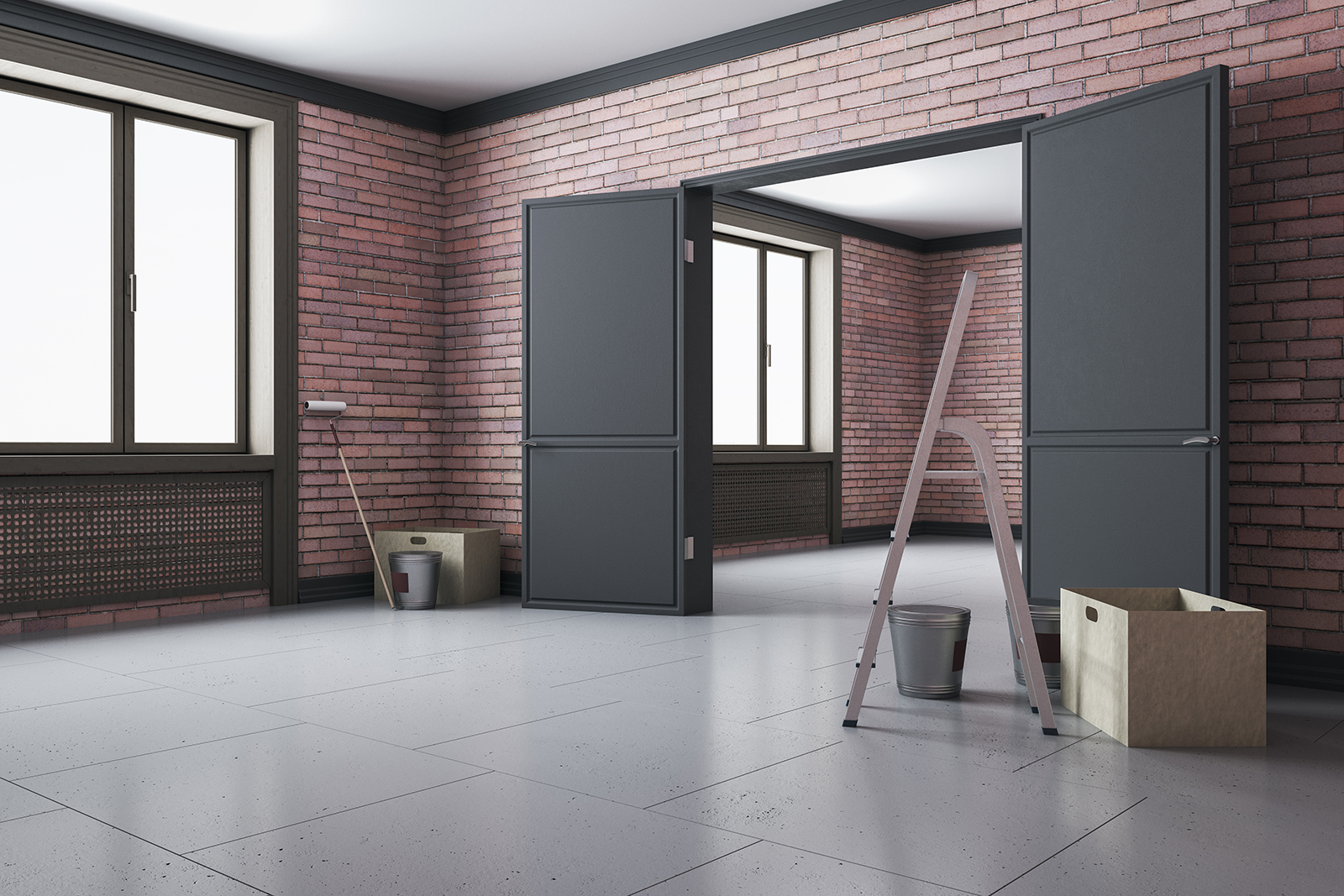
Vanilla Box: The
interior condition of the space in which the improvements generally
consist of lighting, electrical switches and outlets, lavatories, a
finished ceiling, walls that are prepped for painting, and a concrete
slab floor. Also called a “white box”.
Sometimes a vanilla box is
delivered with an installed heating, ventilation, and cooling (HVAC)
system. This is a “warm vanilla” box. It’s essentially the same as a
vanilla box but with an HVAC system installed.